

 15 min
The Feelings Forecast Studio
A 15-minute pretend weather studio for ages 3–5. Children invent forecasts for imaginary characters, explore feeling words and choose caring responses through speech, pointing or gentle gestures.


Prepare the studio (2 minutes). Invite 4–6 children to sit comfortably. On the large paper, draw a sun, a cloud and raindrops, naming and describing each aloud. Explain: 'Our pretend studio makes weather reports for imaginary characters. Weather can help us imagine feelings, but every person can choose what it means.' Children may speak, gesture, point, direct the educator or watch.
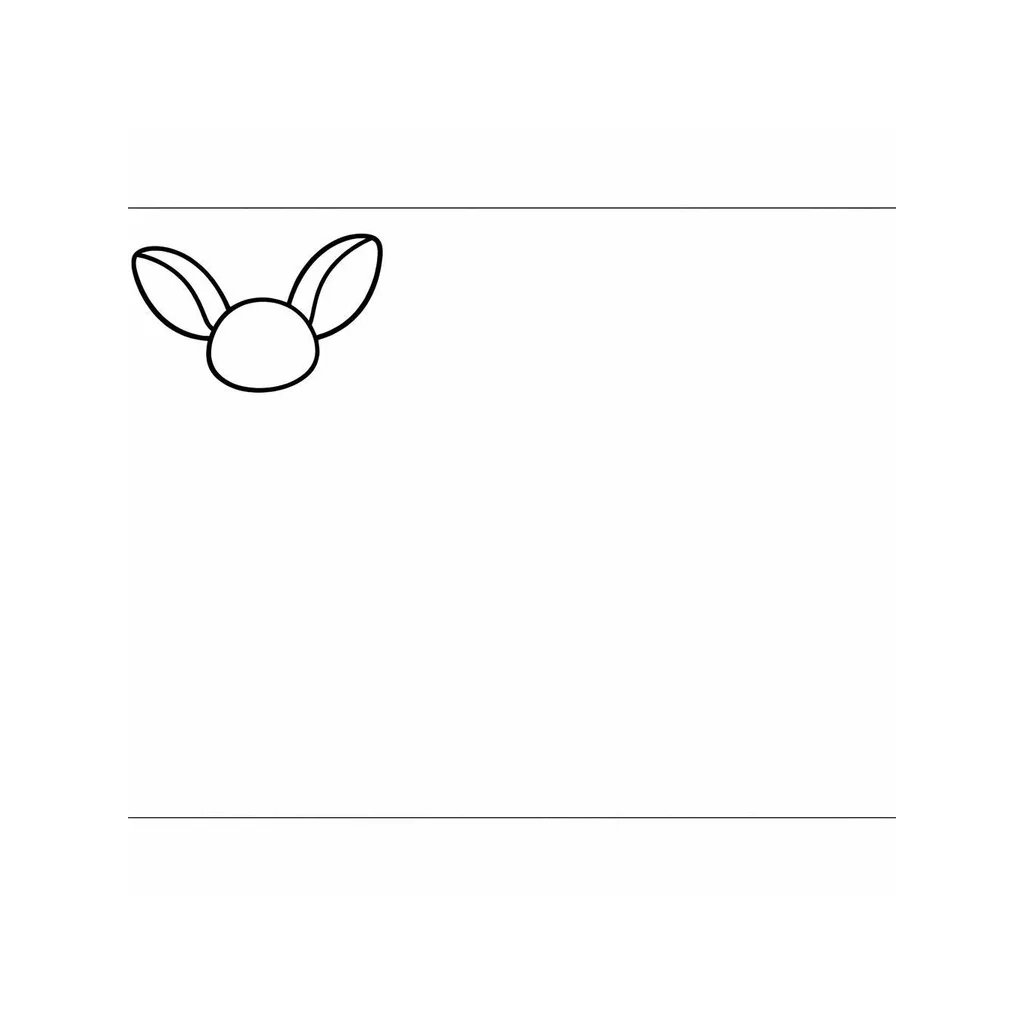
Meet the first character (2 minutes). Draw a large imaginary creature and invite children to name it. Say, 'Our creature has arrived at a new play space. What might it feel?' Offer two possibilities if needed, such as curious or worried. Pause for responses. Accept different ideas without deciding that one expression or situation must mean one feeling.
Make a pretend forecast (3 minutes). Invite children to choose weather for the creature's feeling. Model: 'I choose a little cloud because I imagine it feels unsure.' A child might choose sunshine for excitement, rain for relief or an entirely different meaning. Ask, 'What makes that weather fit your idea?' Accept a word, gesture, short explanation or a choice the educator voices and confirms.
Add a caring report (3 minutes). Ask, 'What could we offer our visitor?' Invite ideas such as showing it a place to sit, asking whether it wants company or giving it quiet time. Act out a brief exchange while remaining seated: 'Would you like me nearby?' Let children choose whether the creature says yes, no or not yet. Emphasize asking rather than assuming what will help.
Choose a new forecast challenge (3 minutes). Follow the group's interests with another imaginary event, such as the creature finishing a drawing or hearing an unfamiliar sound. For beginners, offer two feeling words and model a short forecast together. For children ready for more, invite two possible feelings about the same event, or a forecast that changes after the creature receives help. Choose the level by interest and readiness rather than age alone.
Close the studio (2 minutes). Recap two different ideas children offered: 'One forecast was excited sunshine; another was a curious cloud.' Invite each child to share, point to or pass on one caring choice for the character. Personal feelings do not need to be disclosed. Afterward, note examples of choosing feeling words, considering another perspective or proposing support to guide future play.
Adapt throughout. Describe drawings aloud and use large, high-contrast marks. Bring the display within comfortable viewing and pointing range without blocking access. Offer spoken choices, signs or an existing communication system; confirm rather than guess a child's selection. Keep all gestures optional, allow extra response time and offer a quieter one-to-one version. If weather comparisons are confusing, use direct feeling words instead.


A 15-minute pretend-play activity for ages 3–5. Children invent welcoming invitations for imaginary guests, choosing words, gestures and playful changes that help everyone join.

A 15-minute pretend-play activity for ages 3–5. Children imagine different uses for one blanket, help an imaginary character solve a problem, and build a short shared story through words, gestures or choices.

A 15-minute pretend-play activity for ages 3–5. Children invent helpful imaginary machines, explain what they do, and work together to improve a shared invention using words, gestures or drawings.
A 15-minute pretend-play activity for ages 3–5. Children help an imaginary visitor communicate through gestures, pictures and storytelling, discovering that a message can be shared in many ways.