
 15 min
The Upside-Down Invitation Office
A 15-minute pretend-play activity for ages 3–5. Children invent welcoming invitations for imaginary guests, choosing words, gestures and playful changes that help everyone join.


Open the office (2 minutes). Gather a small group in comfortable seats. Explain: 'Our pretend invitation office welcomes unusual guests. We can change our plans so they can join!' Children may speak, gesture, point, watch or pass. No moving around is required.
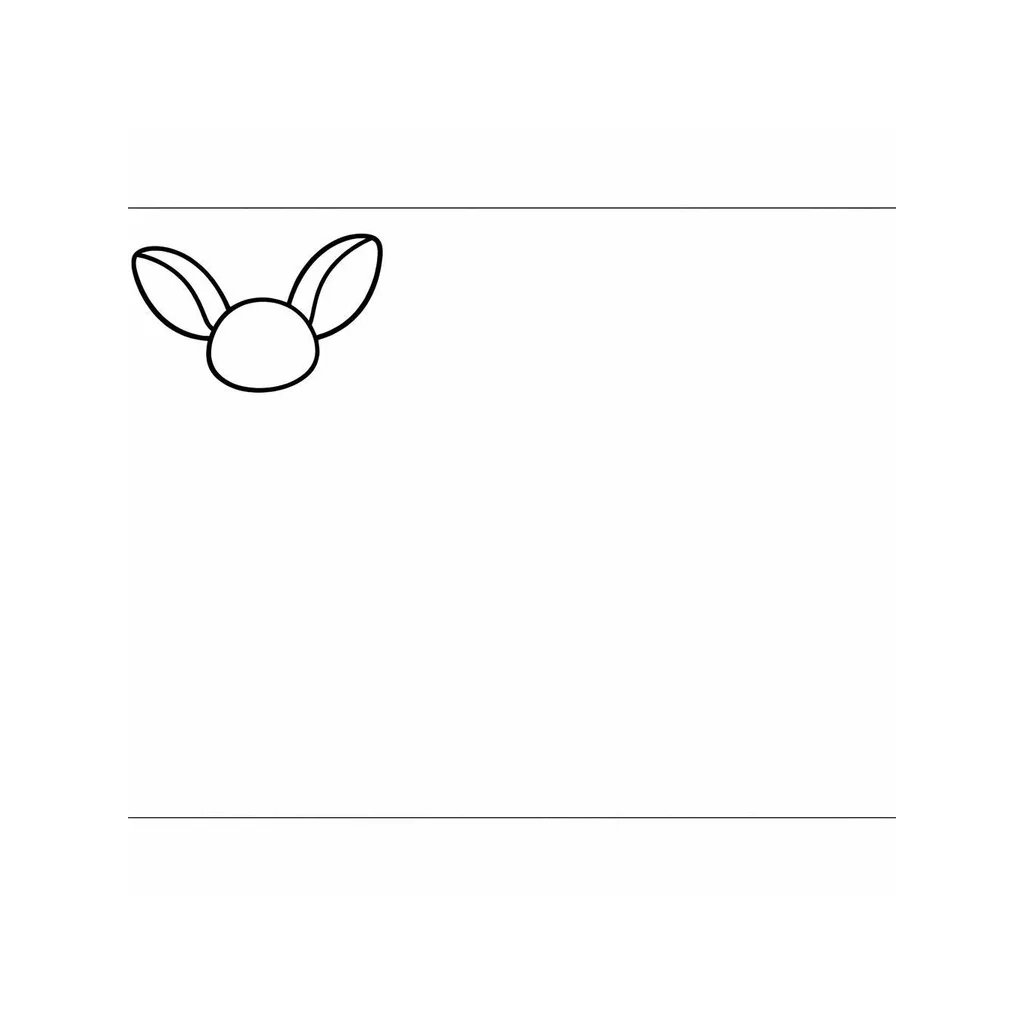
Meet the first guest (2 minutes). Draw a large imaginary creature with enormous ears. Say: 'This guest likes quiet celebrations. How could we invite them without making a loud sound?' Model a gentle wave, then pause for children's ideas. Describe visual suggestions aloud so children do not need to see the drawing to participate.
Make an invitation together (3 minutes). Invite children to choose a pretend event, such as a cloud-painting party or a sleepy dragon story time. Ask, 'What could we say or show to welcome our guest?' Combine their ideas into a short spoken invitation and accompanying gesture. Draw a simple picture representing their plan, explaining that pictures can help us remember a message.
Welcome a different guest (3 minutes). Draw a second creature and describe its preference: 'This guest likes to watch before joining.' Ask, 'What could we offer?' If needed, suggest watching beside the educator or choosing when to participate. Let children reshape the event rather than searching for one correct answer. Ask how their new plan might work, and allow thinking time.
Choose a comfortable challenge (3 minutes). For beginners, including many children around age 3, offer two clear choices: 'Shall we wave or say a quiet hello?' Model a short invitation they may copy or indicate. For children ready for more, often around ages 4–5, invite them to invent a guest, name a preference and suggest a welcoming change. Offer to voice their idea or co-lead. Choose the level by interest and readiness, not age alone.
Deliver and reflect (2 minutes). Pretend the guests have arrived. Invite volunteers to deliver the invitation using speech, a gesture or an educator-supported response. Ask, 'What did we change to help our guests join?' Briefly describe the children's contributions without ranking them. Afterward, note which supports helped children express choices and build on one another's ideas.
Adapt throughout. Keep the drawings large and uncluttered, and describe every addition aloud. Offer spoken choices without requiring pointing, eye contact or movement. Accept children's usual communication methods and allow extra response time. Keep voices gentle and gestures optional. A child may contribute privately to the educator, participate with a partner or simply observe. End early if interest fades.



A 15-minute pretend weather studio for ages 3–5. Children invent forecasts for imaginary characters, explore feeling words and choose caring responses through speech, pointing or gentle gestures.

A 15-minute pretend-play activity for ages 3–5. Children imagine different uses for one blanket, help an imaginary character solve a problem, and build a short shared story through words, gestures or choices.

A 15-minute pretend-play activity for ages 3–5. Children invent helpful imaginary machines, explain what they do, and work together to improve a shared invention using words, gestures or drawings.
A 15-minute pretend-play activity for ages 3–5. Children help an imaginary visitor communicate through gestures, pictures and storytelling, discovering that a message can be shared in many ways.