
 15 min
The Almost-Finished Animal Parade
A 15-minute pretend-play activity for ages 3–5. Children help an educator invent unusual animals, choose their features and build a shared story, using words, gestures or supported choices.


Welcome the inventors (2 minutes). Invite a small group to sit comfortably around the drawing space. Explain, 'Our pretend animals are almost ready for a parade, but they need your ideas. The parade will happen on our paper; we can stay right here.' Let children know they may speak, gesture, point, watch or pass.
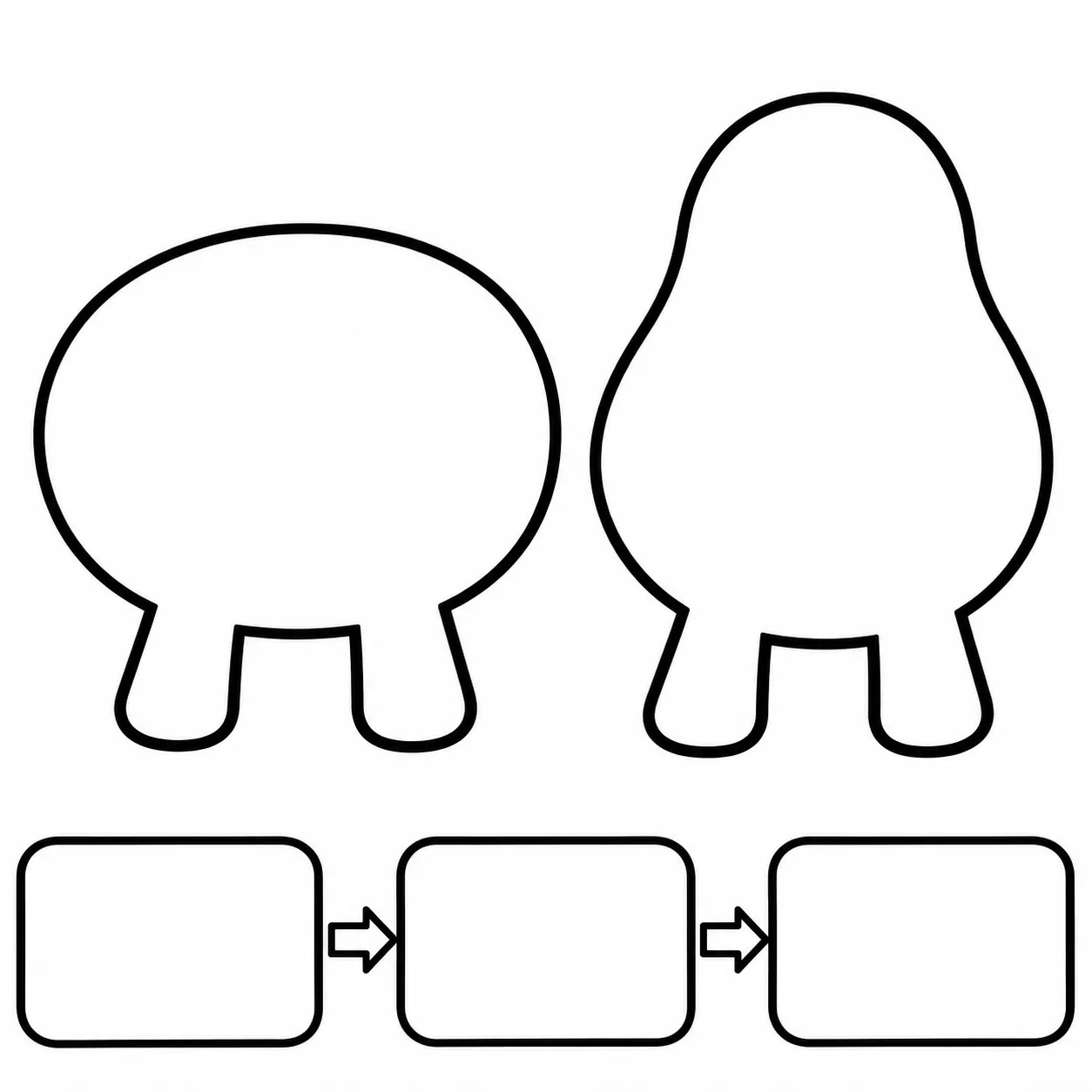
Meet an unfinished animal (2 minutes). Draw a large, simple body shape. Say, 'This animal needs something to help it notice the world. What could we add?' Pause to give children thinking time. Accept imaginative suggestions without requiring realistic animal features. If choices help, point to two places on the drawing and ask whether to add large ears or a long nose. Draw the chosen feature.
Discover what it can do (3 minutes). Ask, 'How might our animal use that feature during the parade?' Follow the children's interests. Large ears might hear a quiet greeting; a long nose might wave hello. Invite children to describe or gently mime an idea while seated. Model a short sentence such as, 'Our animal hears a friend.' Movement is optional.
Add another parade guest (3 minutes). Draw a second body shape and invite a different child to suggest a feature. Offer an entry point for children new to the activity: choose between two spoken options, indicate a place on the drawing or copy a simple gesture. For children ready for more, ask how the two animals might greet or help each other. Choose the level by interest and readiness, not age alone.
Tell the tiny parade story (3 minutes). Point to each drawing as you tell a brief beginning: 'Two unusual animals were ready for their parade. Then they noticed…' Invite children to supply an event and an ending. If ideas conflict, acknowledge both and ask whether one could happen first and the other next. Children can contribute through speech, signs, an existing communication aid or an agreed yes/no response. Retell the story slowly, including their contributions.
Celebrate and notice (2 minutes). Ask, 'What did one of our animals do?' Accept a word, gesture, indicated drawing or quiet listening. Recap how different ideas helped make the story. After the activity, note which supports helped children choose, describe or connect events, and use that information to plan another playful invitation.
Adapt throughout. Keep drawings large and uncluttered, describe each addition aloud and position the paper for comfortable viewing. For children who cannot readily access the drawing, offer spoken choices and narrate changes rather than relying on pointing. Reduce background noise and allow generous response time. A child may direct an adult or partner instead of drawing or moving. Shorten the story to one animal if attention fades, or invite confident storytellers to explain why an event happened.


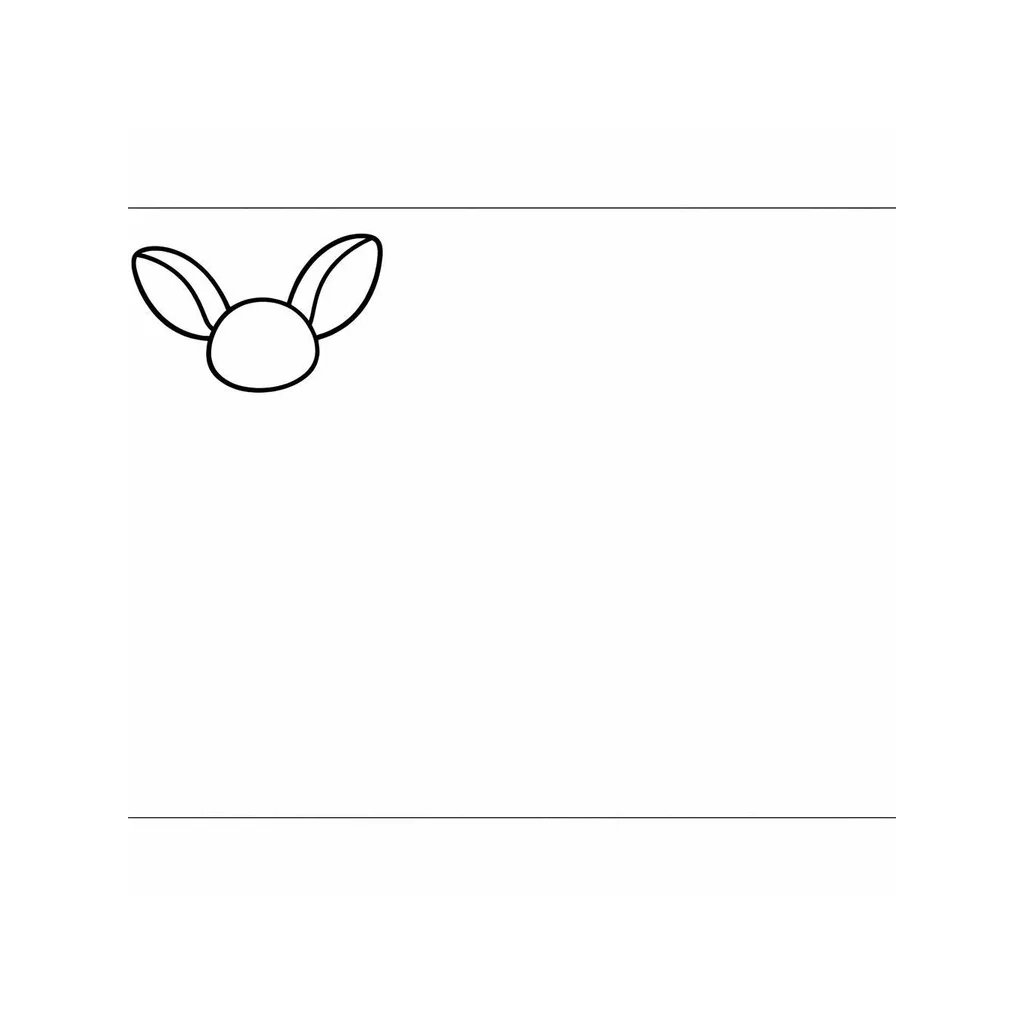
A 15-minute pretend-play activity for ages 3–5. Children invent welcoming invitations for imaginary guests, choosing words, gestures and playful changes that help everyone join.
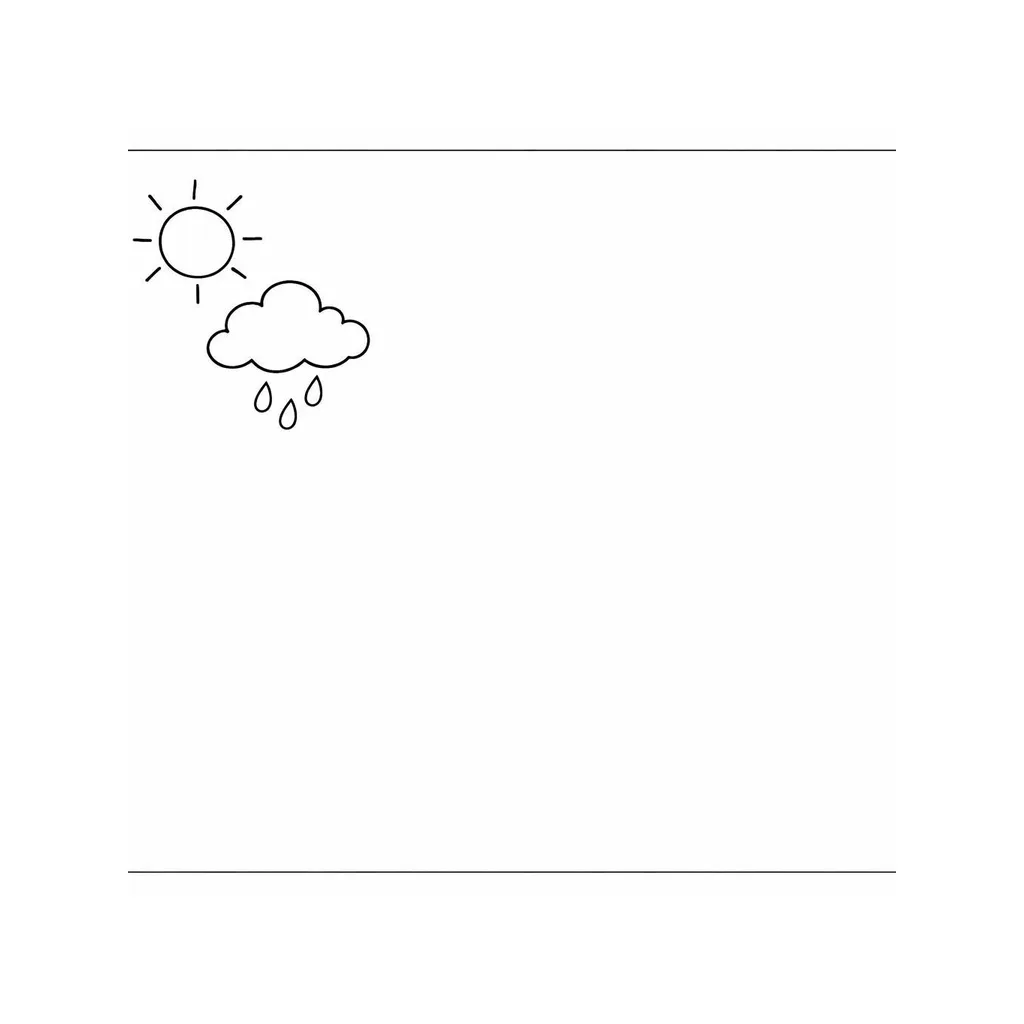
A 15-minute pretend weather studio for ages 3–5. Children invent forecasts for imaginary characters, explore feeling words and choose caring responses through speech, pointing or gentle gestures.
A 15-minute pretend-play activity for ages 3–5. Children imagine different uses for one blanket, help an imaginary character solve a problem, and build a short shared story through words, gestures or choices.

A 15-minute pretend-play activity for ages 3–5. Children invent helpful imaginary machines, explain what they do, and work together to improve a shared invention using words, gestures or drawings.